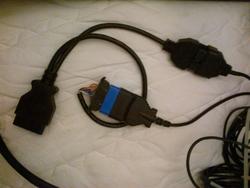

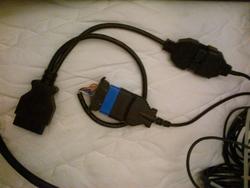
The particular splitter I bought actually has one panel mount connector - so it installs exactly like OEM
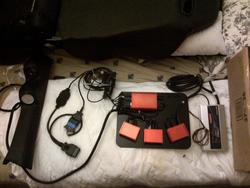
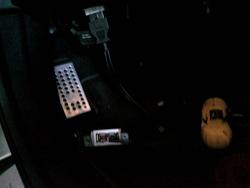
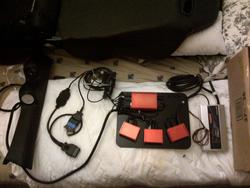
The new gauge is installed on the A-pillar on the left. I wired the display units just to check routing. Everything should fit perfectly.
I installed the A-pillar and routed the wires behind the dash over to the passenger footwell which is where I plan to install the panel.
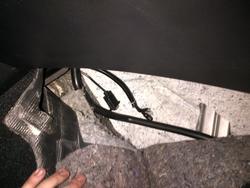
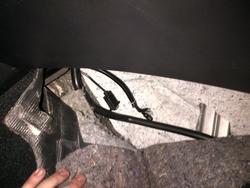
While I was down there with the driver's side lower dash panel off, I installed the OBDII splitter - this shot is before I re-attached the OEM bracket with the splitter panel mount.
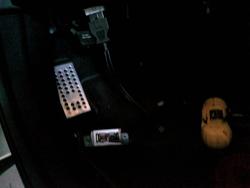
It took a couple hours because I was careful routing and using zip ties so nothing vibrates. The OBDII splitter is ready to accept the PLX interface and the OEM location can be used normally. Because the PLX actively communicates with the OBDII system, you have to use the remote and select a setting that temporarily stops communication from the PLX when you want to use the OEM OBDII port. Otherwise, the PLX "assumes control" as soon as the ignition is on.
The new gauge is installed on the A-pillar on the left. I wired the display units just to check routing. Everything should fit perfectly.
I installed the A-pillar and routed the wires behind the dash over to the passenger footwell which is where I plan to install the panel.
While I was down there with the driver's side lower dash panel off, I installed the OBDII splitter - this shot is before I re-attached the OEM bracket with the splitter panel mount.
It took a couple hours because I was careful routing and using zip ties so nothing vibrates. The OBDII splitter is ready to accept the PLX interface and the OEM location can be used normally. Because the PLX actively communicates with the OBDII system, you have to use the remote and select a setting that temporarily stops communication from the PLX when you want to use the OEM OBDII port. Otherwise, the PLX "assumes control" as soon as the ignition is on.