one of the first things you do to any car that will see some track and road course use to increase handling as far as tune and adjustments is increase the camber SLIGHTLY. adding a degree or a degree and a half, seeing setups in the -3* range is the norm, and of course every car and every setup will differ but just about any car will NORMALLY respond well and handle better with a LITTLE more camber than factory spec, which is pretty much a compromise between handling and long term tire wear. unfortunately, on a street car that will see 15k miles a year or more the compromise must lean more towards even tire wear for the average use in it's travel which is where the problem comes. on a street car a tiny fraction of the times the car is being pushed hard through turns but the overwhelming majority of the times the tire is pretty much rolling with no real side loads and it will unfortunately cause premature wear on the inner side of the tread. if you always drove it really hard the way you would in competition and was always turning either left or right then you would see more even, and of course highly accelerated wear across the whole tread
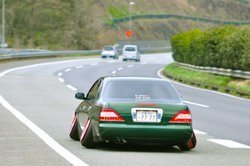
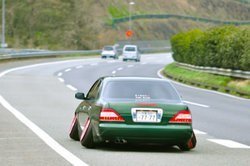
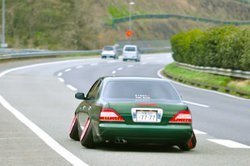
on average and as expected, a lowered fx with a degree or a degree and a half of extra camber over stock spec WILL handle better than stock when pushed hard through the turns, why the hell is this even an argument? what the hell does a slammed and stupid looking car with all crooked wheels poking out even have to do with what is being discussed?
there are ways to explain things and then there are ways to act like a justin... WTF?
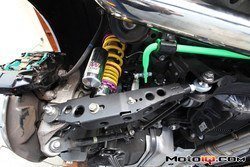
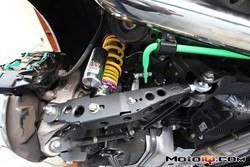
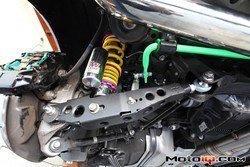
a custom set of arms fabricated for you as a one off I agree that $1,000 sounds about right and personally I wouldn't hesitate to spend that for a quality job that puts all the geometry and adjustments correct at the lowered ride height, unfortunately even that is a challenge because the given suspension geometry is designed around the stock ride height and as you lower you are also moving the static ride height up through the suspension geometries natural camber curve. what this means is even if you are able to correct the alignment parameters at the new lowered ride height the suspension geometry still will not be optimized for the new lowered ride height. the absolute best way to really significantly lower an fx, and way more so even on a 2nd gen because it does not use a macpherson strut setup would ideally be lowering knuckles. this would really be the only way to lower the 2nd gen while maintaining the proper negative and positive camber curves built into the suspension geometry and would be best to control not just static camber but more importantly the range of camber curve throughout both the ups and downs as the body rolls through the turns.