
FXtion
Member
- Location
- sherman oaks, ca
Here is what you can do if you try to do this DIY. I just did this a few nights ago and it worked just fine.
Everything that you need for connecting to you amp is already in the trunk except for power. You just need to make sure that you AMP accepts Speaker-Level Input or "high-level input". If not you will need a $10 Speaker to Line-in converter.
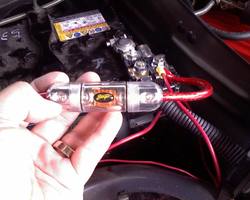
1. Run a 4AWG or 8AWG power line from your Battery to the trunk. You can use the extra post provided already using a 8MM nut. (don't connect the red wire until the last step). Although most AMS come with a fuse already, it is important to an a Inline fuse at the batter as well as in the rear, to portect against any unforeseen shots in the line.
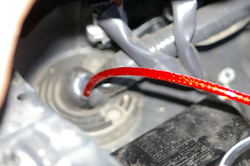
2. Punch a small hole into the Plastic bubble behind the battery to put the other end of the Power wire. Be carefull not to puncture any of the other wires. You should be able to pull the wire though from behind the Kick panel located under the glove compartment. Just Pull the kick panel cover down and remove it.
3. Run the wire all the way to under the back seat. Pull the small tab in front of the seat to release the lock. You should be able to pull one side of the seat Right up. I suggest taking the entire back seat out for ease of work.
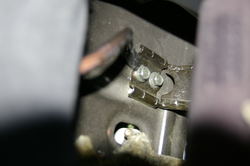
4. Using a 4AWG wire, for the negative, connect a wire Lug at the end. Make sure the wire is as short as possible, otherwise you will get engine noise. Bolt down the wire using one of the existing bolts under the back seat. If possible, shave some of the paint away for the connector to directly touch the chassis of the car. Make sure the Bolt is really tight. Use some Vaseline to cover the exposed metal and around the connector to keep from rusting and oxidation after you bolt it down firmly.
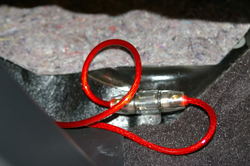
4. Connect an "in-line" fuse holder to the end of the Positive Power cable. Run another shorter Positive Power Cable to the AMP from the Fuse holder. This is an optional step since you already have protection at the the AMP and at the Battery. In my case, my amp is hard to get to so I installed another one under the rear seat.
5. Connect the Negative cable to the Amp as well.
6. Disconnect the Plug to the Bose Sub-woofer located on the Spare tire. pull the Plastic cover back to expose the wires. You only need the 3 Smaller cables.
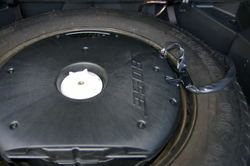
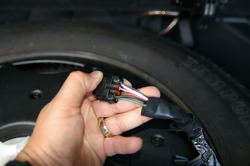
7. The Pink cable is your Remote Signal which turns the AMP on and OFF. Cut the Cable a few inches from the connector (to leave room for later reconnection.) Extend the Wire using a Butt connector and connect to the REMOTE connection of the AMP. Since this wire carries 12+V power, I suggest covering the wire with flex plastic cover or Electric tape.
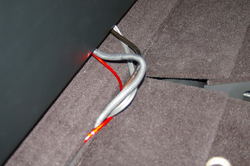
8. Depending on the kind of AMP you have, you either have a separate connector for the Speaker-Input or have only RCA inputs. Either way, you must make sure that there is a switch for High-Level/Speaker-Input. If you have only RCA's go to Step 10.
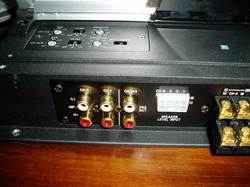
9. Refer to the Manufacturer's instruction to find out how to wire the AMP using Mono Configuration. Remember that Sub-woofers are not directional, therefore there is no left and right. Most AMPs made for Sub-woofers are Mono-Block and have only one Chanel. Connect the White and Black cable to the correct cables where White is you positive and black is your negative connection.
10. If the High-Level connection is not available, use a good quality RCA cable to connect the signal wires. Cut one end of the RCA cable and expose the inner wires. Usually the cables with primary colors (red/Green/blue) are your inner (Tip of the RCA) wires. You can test this using a Flashlight bulb and a Batter.
** if the AMP is only capable of Accepting Line-In, connect the White and Black Cable to a Converter and then use a RCA cable to connect the converter to your AMP and Jump to Step 14.
*** connect one end of the batter to the tip of the RCA, connect the bulb to the other end of the battery, and touch the metal part of the bulb with the exposed wires. When light comes on, you have a match. If you know how to use a volt meter, then use that.***
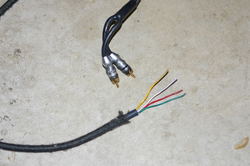
11. Connect the two RCA wires that go to the TIP together. Connect the other two wires together as well. Most RCA cables are Shielded so there is another exposed wire that is wrapped around the whole thing. It is usually silver and is a strand. You can simply ignore this wire and safely cut it so it does not short anything.
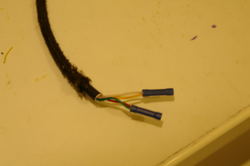
12. Connect the white (+) and Black (-) cable from step 9 to the the RCA cable. If you know how to use a Soldering Iron, it's preferred over Butt connectors. Connect the (+) to the tip of the RCA and the (-) to the round part. If you can, use "Heat Shrink" tubes to cover your work individually and if not use Electric tape.
13. Now using the Manufacturer's instructions connect the RCA cable to your AMP.
14. Now connect the Power cable to the Battery post (step 1). Don't forget to place a fuze according to the specs of the Manufacturer. Usually you want to stay with the Lowest Ampier fuse installed on the AMP. Usually 20A.
15. Set the Gain and Level of your AMP using the Manufacturer's Instructions. Remember to start at the lowest level and listen to what sounds good. You almost never want to have the Levels at MAX. If you turn the levels all the way down and you still have horrible sound, the High/Low level switch is set to low.
Good luck. PM me if you have more questions.
Everything that you need for connecting to you amp is already in the trunk except for power. You just need to make sure that you AMP accepts Speaker-Level Input or "high-level input". If not you will need a $10 Speaker to Line-in converter.
1. Run a 4AWG or 8AWG power line from your Battery to the trunk. You can use the extra post provided already using a 8MM nut. (don't connect the red wire until the last step). Although most AMS come with a fuse already, it is important to an a Inline fuse at the batter as well as in the rear, to portect against any unforeseen shots in the line.
2. Punch a small hole into the Plastic bubble behind the battery to put the other end of the Power wire. Be carefull not to puncture any of the other wires. You should be able to pull the wire though from behind the Kick panel located under the glove compartment. Just Pull the kick panel cover down and remove it.
3. Run the wire all the way to under the back seat. Pull the small tab in front of the seat to release the lock. You should be able to pull one side of the seat Right up. I suggest taking the entire back seat out for ease of work.
4. Using a 4AWG wire, for the negative, connect a wire Lug at the end. Make sure the wire is as short as possible, otherwise you will get engine noise. Bolt down the wire using one of the existing bolts under the back seat. If possible, shave some of the paint away for the connector to directly touch the chassis of the car. Make sure the Bolt is really tight. Use some Vaseline to cover the exposed metal and around the connector to keep from rusting and oxidation after you bolt it down firmly.
4. Connect an "in-line" fuse holder to the end of the Positive Power cable. Run another shorter Positive Power Cable to the AMP from the Fuse holder. This is an optional step since you already have protection at the the AMP and at the Battery. In my case, my amp is hard to get to so I installed another one under the rear seat.
5. Connect the Negative cable to the Amp as well.
6. Disconnect the Plug to the Bose Sub-woofer located on the Spare tire. pull the Plastic cover back to expose the wires. You only need the 3 Smaller cables.
7. The Pink cable is your Remote Signal which turns the AMP on and OFF. Cut the Cable a few inches from the connector (to leave room for later reconnection.) Extend the Wire using a Butt connector and connect to the REMOTE connection of the AMP. Since this wire carries 12+V power, I suggest covering the wire with flex plastic cover or Electric tape.
8. Depending on the kind of AMP you have, you either have a separate connector for the Speaker-Input or have only RCA inputs. Either way, you must make sure that there is a switch for High-Level/Speaker-Input. If you have only RCA's go to Step 10.
9. Refer to the Manufacturer's instruction to find out how to wire the AMP using Mono Configuration. Remember that Sub-woofers are not directional, therefore there is no left and right. Most AMPs made for Sub-woofers are Mono-Block and have only one Chanel. Connect the White and Black cable to the correct cables where White is you positive and black is your negative connection.
10. If the High-Level connection is not available, use a good quality RCA cable to connect the signal wires. Cut one end of the RCA cable and expose the inner wires. Usually the cables with primary colors (red/Green/blue) are your inner (Tip of the RCA) wires. You can test this using a Flashlight bulb and a Batter.
** if the AMP is only capable of Accepting Line-In, connect the White and Black Cable to a Converter and then use a RCA cable to connect the converter to your AMP and Jump to Step 14.
*** connect one end of the batter to the tip of the RCA, connect the bulb to the other end of the battery, and touch the metal part of the bulb with the exposed wires. When light comes on, you have a match. If you know how to use a volt meter, then use that.***
11. Connect the two RCA wires that go to the TIP together. Connect the other two wires together as well. Most RCA cables are Shielded so there is another exposed wire that is wrapped around the whole thing. It is usually silver and is a strand. You can simply ignore this wire and safely cut it so it does not short anything.
12. Connect the white (+) and Black (-) cable from step 9 to the the RCA cable. If you know how to use a Soldering Iron, it's preferred over Butt connectors. Connect the (+) to the tip of the RCA and the (-) to the round part. If you can, use "Heat Shrink" tubes to cover your work individually and if not use Electric tape.
13. Now using the Manufacturer's instructions connect the RCA cable to your AMP.
14. Now connect the Power cable to the Battery post (step 1). Don't forget to place a fuze according to the specs of the Manufacturer. Usually you want to stay with the Lowest Ampier fuse installed on the AMP. Usually 20A.
15. Set the Gain and Level of your AMP using the Manufacturer's Instructions. Remember to start at the lowest level and listen to what sounds good. You almost never want to have the Levels at MAX. If you turn the levels all the way down and you still have horrible sound, the High/Low level switch is set to low.
Good luck. PM me if you have more questions.
Last edited:


