F
Fire0nic3
Guest
I AM NOT RESPONSIBLE FOR ANY DAMAGE DONE TO YOUR VEHICLE BY FOLLOWING THIS GUIDE! DO IT AT YOUR OWN RISK! PLEASE DO NOT POST THIS GUIDE NO WHERE ELSE OR MODIFY IT. Email or PM me with any questions you may have
Lubricating your locks and hinges are something that should be done everytime you change your oil. This is something people usually neglect or better yet never do at all. I never did this on my last vehicle at all and some of the lock and hinge mechanisms corroded and I needed to buy all new ones, and yes it costs a fortune! By lubricating the locks and hinges, it not only prevents corrosion but it also keeps them from freezing up in the winter and also keeps them from squeaking and making various other noises when the chassis flexes or the door is opened and closed. If not lubricated often the doors/trunks/hood may begin to start being hard to latch together. So from now on I keep all them lubricated.
For this kind of thing, PLEASE DO NOT TAKE IT TO THE DEALER AND PAY THEM TO DO IT! It's not that it's a waste of money, it's that they don't lubricate them properly. YES THEIR IS ACTUALLY A WRONG WAY OF DOING THIS! The dealer usually uses the white lithium grease in a spray can which is not what your suppose to be using at all. Not only will it eventually wash off the the mechanisms when it rains or you wash the car, but it also makes a huge mess on the door and runs down the door. They also use the wrong consistency of grease too. They don't use the same one that's applied to the locks and hinges like at the assembly plant. Nor do they remove the old grease off either before applying the new one since the service manual says never to mix different types of greases for it.
Anyways here is the stuff you need:
NLGI No. 2 Lithium soap base (USE ONLY THIS NLGU NO. 2 GREASE AND MAKE SURE IT'S SOAP BASED, NOT SPRAY!!)
Some degreaser
A few clean microfiber towels
3-4 Q-Tips
Step 1:
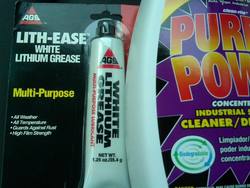
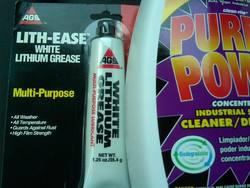
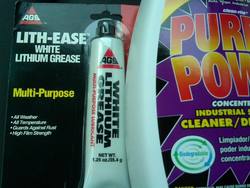
Make sure the grease your using is NLGI NO. 2 lithium soap based grease and nothing else since this is what the factory service manual calls for. It doesn't matter which brand it is really. In my case it's Lubri-Matic. NLGI NO. 2 is reffering to the type of consistency the grease is. Which in our case has the consistency of peanut butter. NLGI NO. 2 is choosen since it doesn't run nor will everyday rain/carwashes bring it off. It's what's applied when the car is assembled:


Step 2:
As You can see at 33K miles there is almost no grease left on the mechanism and it's dirty:

Step 3:
We need to start off fresh. So next mix some diluted degreaser and water in a spray bottle and take the Q-Tips and spray them with degreaser. This is good since the Q-Tips can get in those little spaces bigger towels can't while the degreaser can remove the old grease:

Step 4:
Start cleaning off all the grease on the old mechanism:


Step 5:
Take your finger and pull down the latch so you can clean there too and eventually apply grease there:

This is what it looks like pulled down:

Step 6:
After letting the wet latches dry, it's time to move on to applying the grease. Grab another clean Q-Tip and dab a pea sized drop of the grease on the Q-Tip. Not too much or it'll make a mess:

Step 7:
Start applying it all over the mechanisms:


Step 8:
Finally your done. Clean up any extra grease you got on anything with some microfiber towels. FINISHED:

Oh and open and close the door several times to that the grease can work it's way into those little spots:
CAUTION!!!!!!
Don't forget to push the mechanism back up and apply grease there too. And don't close the door with the mechanism down or the door won't close at all since it can't latch together. To make it go back up just pull on the outside handle as if you were opening the door so that it goes back to it's original position.
Lubricating your locks and hinges are something that should be done everytime you change your oil. This is something people usually neglect or better yet never do at all. I never did this on my last vehicle at all and some of the lock and hinge mechanisms corroded and I needed to buy all new ones, and yes it costs a fortune! By lubricating the locks and hinges, it not only prevents corrosion but it also keeps them from freezing up in the winter and also keeps them from squeaking and making various other noises when the chassis flexes or the door is opened and closed. If not lubricated often the doors/trunks/hood may begin to start being hard to latch together. So from now on I keep all them lubricated.
For this kind of thing, PLEASE DO NOT TAKE IT TO THE DEALER AND PAY THEM TO DO IT! It's not that it's a waste of money, it's that they don't lubricate them properly. YES THEIR IS ACTUALLY A WRONG WAY OF DOING THIS! The dealer usually uses the white lithium grease in a spray can which is not what your suppose to be using at all. Not only will it eventually wash off the the mechanisms when it rains or you wash the car, but it also makes a huge mess on the door and runs down the door. They also use the wrong consistency of grease too. They don't use the same one that's applied to the locks and hinges like at the assembly plant. Nor do they remove the old grease off either before applying the new one since the service manual says never to mix different types of greases for it.
Anyways here is the stuff you need:
NLGI No. 2 Lithium soap base (USE ONLY THIS NLGU NO. 2 GREASE AND MAKE SURE IT'S SOAP BASED, NOT SPRAY!!)
Some degreaser
A few clean microfiber towels
3-4 Q-Tips
Step 1:
Make sure the grease your using is NLGI NO. 2 lithium soap based grease and nothing else since this is what the factory service manual calls for. It doesn't matter which brand it is really. In my case it's Lubri-Matic. NLGI NO. 2 is reffering to the type of consistency the grease is. Which in our case has the consistency of peanut butter. NLGI NO. 2 is choosen since it doesn't run nor will everyday rain/carwashes bring it off. It's what's applied when the car is assembled:
Step 2:
As You can see at 33K miles there is almost no grease left on the mechanism and it's dirty:
Step 3:
We need to start off fresh. So next mix some diluted degreaser and water in a spray bottle and take the Q-Tips and spray them with degreaser. This is good since the Q-Tips can get in those little spaces bigger towels can't while the degreaser can remove the old grease:
Step 4:
Start cleaning off all the grease on the old mechanism:
Step 5:
Take your finger and pull down the latch so you can clean there too and eventually apply grease there:
This is what it looks like pulled down:
Step 6:
After letting the wet latches dry, it's time to move on to applying the grease. Grab another clean Q-Tip and dab a pea sized drop of the grease on the Q-Tip. Not too much or it'll make a mess:
Step 7:
Start applying it all over the mechanisms:
Step 8:
Finally your done. Clean up any extra grease you got on anything with some microfiber towels. FINISHED:
Oh and open and close the door several times to that the grease can work it's way into those little spots:
CAUTION!!!!!!
Don't forget to push the mechanism back up and apply grease there too. And don't close the door with the mechanism down or the door won't close at all since it can't latch together. To make it go back up just pull on the outside handle as if you were opening the door so that it goes back to it's original position.